Which Recruitment Tools to Use for Your Company?
ATS, HRIS, job boards, job descriptions... Discover the best tools to structure, automate and optimize every step of your recruitment with JobAffinity.

ATS, HRIS, job description, using the right recruitment tools is crucial to effectively optimize your hiring processes and, with the right profiles, increase your company's performance. Indeed, with the right tools, it becomes simpler to attract the talent you're looking for and face job market challenges, while promoting your employer brand.
However, among all the recruitment tools available on the market, how do you know which ones are truly suited to your company's needs? JobAffinity lists the best recruitment tools and their benefits to optimize your hiring processes.

Recruitment Tools in Summary
- Recruitment tools are designed to cover and facilitate all stages of the hiring process: job posting, application management, resume sorting, interviews, onboarding new employees;
- Their main objective is to simplify and optimize recruiters' tasks while ensuring a smooth and positive experience for candidates;
- For a company, investing in the right recruitment tools not only ensures finding the best talent but also strengthens company attractiveness.
What Are the Best Recruitment Tools?
The best recruitment tool for a company, regardless of its size, is recruitment software**, offering a practical and customizable all-in-one solution. In addition to recruitment software, the best recruitment tools to use are divided according to recruitment stages:
- Defining recruitment needs,
- Attracting candidates,
- Selecting candidates,
- Communicating with candidates,
- Onboarding candidates.
Recruitment Software, the Essential Tool to Manage Applications and Optimize Processes
The best general tool for application management is ATS software (Applicant Tracking System), centralizing all information related to the recruitment process, to facilitate candidate tracking.
Ideal for both the private sector and the public sector, ATS software is a collaborative and customizable tool that allows you to quickly respond to recruitment challenges: attracting the right talent and saving time on time-consuming tasks.
Our recruitment software JobAffinity offers you complete flexibility and customization to optimize your hiring processes, save time, and focus on tasks that truly matter. Thanks to our 100% French recruitment tool, you can notably multi-post job offers, respond to applications with one click, filter resumes, or collaborate with HR teams in real-time.
In a broader vision, HRIS (Human Resources Information System) is a practical recruitment tool that allows managing and automating all HR processes. This ranges from recruitment to administrative management, through training. With HRIS, recruiters save time and efficiency, while promoting collaboration between teams.

Which Recruitment Tools to Define Recruitment Needs?
The job description and job offer are the best tools to properly define and structure recruitment needs. The more precise and well-written job descriptions and job offers are, the more likely the recruiter will target the ideal candidate:
- The job description allows recruiters to clearly define the missions and objectives of the position to fill, as well as the future employee's responsibilities. It's essential that expectations for this position are clear and well explained, to avoid targeting the wrong candidates.
- **The job offer, meanwhile, is the public announcement of the position to fill. It must include what's found in the job description (missions, sought skills), but also make candidates want to apply.
ATS software like JobAffinity helps you create posting templates to ensure no spelling mistakes, properly incorporate the company's graphic and editorial charter, and ensure avoiding errors that could harm the posting's attractiveness.
Which Recruitment Tools to Attract Candidates?
To attract candidates, it's necessary to have a career site, a presence on social networks as well as on different job boards.
- The career site: reflection of the company and employer brand. It's a space where the company can publish its job offers while highlighting its values and corporate culture. This career site is important because, by effectively promoting the company's employer brand, it will make candidates want to apply.
- Social networks: platforms like LinkedIn or even Instagram are crucial for promoting job offers and reaching a wider varied audience (remaining qualified). This is called social recruiting**.
- Job boards: job boards, or employment sites, are platforms that allow the recruiter to distribute job offers on a large scale. Very visible on search engines, it's the most used recruitment tool by recruiters and candidates. With our ATS software JobAffinity, you can set up multi-posting of offers on these different platforms and save time to reach more candidates (offer publication, updates according to needs, etc.).

Which Recruitment Tools to Select Candidates?
For a hiring process to be efficient, candidate selection must be too. Recruitment tools like a resume database, employee referral, or interview grid help optimize candidate selection.
- The resume database: very effective CV database for searching and targeting different profiles based on chosen filters and skills the recruiter needs. This tool also allows the recruiter to build a candidate pool** from which they can draw when opening a future position.
- Employee referral: participatory recruitment method where employees recommend someone from their circle for a specific position. This tool encourages employees to be ambassadors of their company and promote it to potential candidates. This recruitment method can be very interesting, allowing reduction of talent search costs and increasing chances of quickly finding the right profile.
- Interview and interview grid: the interview is a key step in the recruitment process. A tool like an interview grid will, first, allow identifying skills (know-how, soft skills). Second, it maintains a guideline without forgetting essential questions or information during the interview. The exchange then becomes more structured, more easily addressing all essential points.
- Assessment (or evaluation): recruitment tool that can be used to evaluate skills, personality traits, or even candidates' future potential. It can take the form of different types of tests: psychological, group interviews, or behavioral tests like those from PerformanSe. Assessment improves decision-making and reduces recruitment error risk, thanks to tests performed beforehand to see how candidates react in specific situations.
Which Recruitment Tools to Communicate with Candidates?
For optimal communication with candidates, tools like the candidate portal, chatbots, or email automation help you facilitate their candidate journey and ensure the best possible experience.
- Candidate portal: dedicated portal where candidates can track their application's progress. Using this tool strengthens hiring process transparency and allows candidates to feel valued and involved, which significantly improves candidate experience.
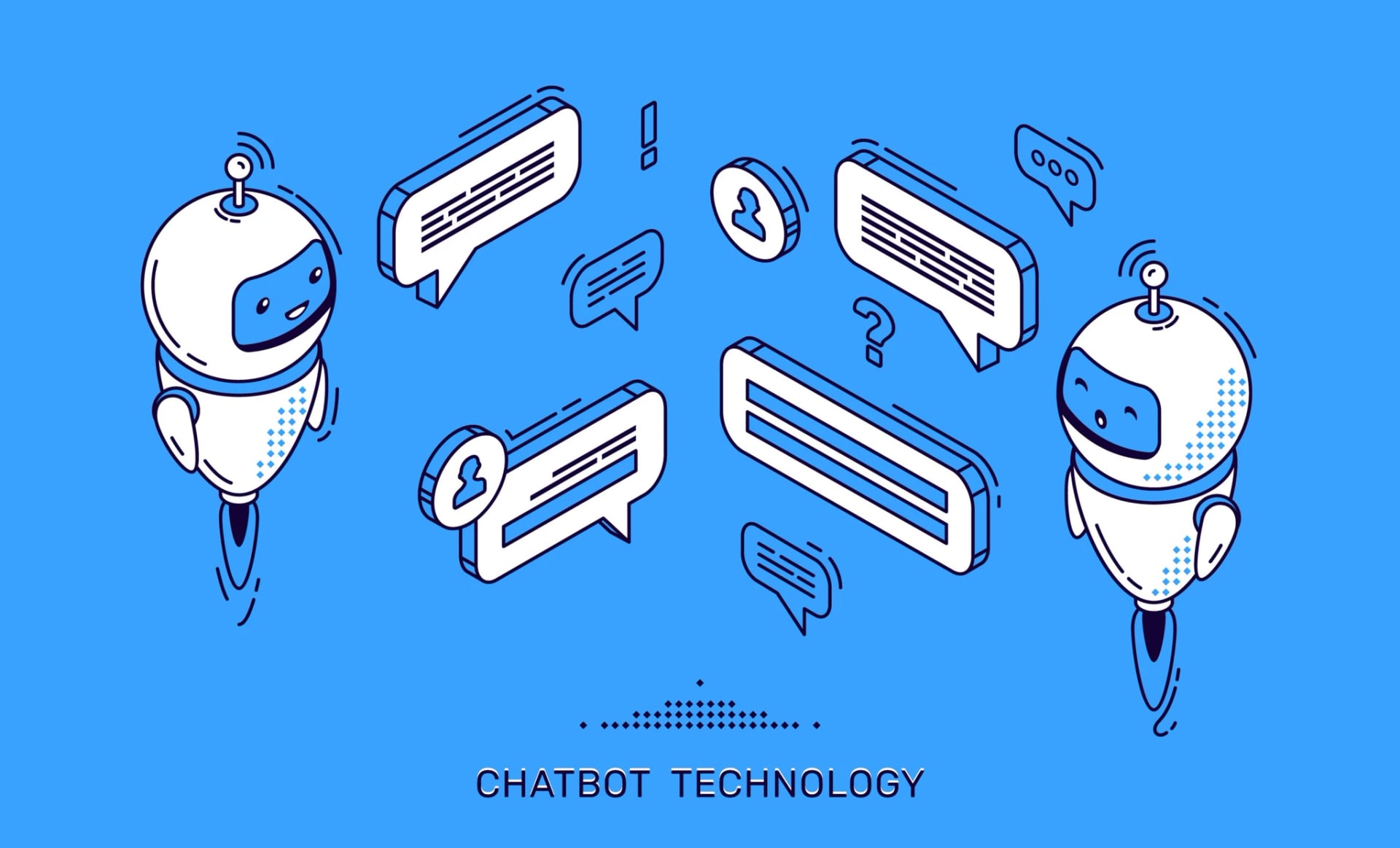
- Chatbot: very practical, they allow automating first interactions with candidates who can get an immediate response. The chatbot offers not only continuous availability for the candidate but also reduces recruiters' workload.
- Automated email: these rapid, automated, and personalized communications once again improve candidates' experience. Recruitment software often integrates automation features to send acknowledgments, interview confirmations, or post-application feedback.
Which Recruitment Tools for Onboarding?
Onboarding is the candidate integration process in the company. It starts before the candidate's arrival at the company and it's important to manage it properly to maintain a link with the candidate until their arrival.
This onboarding journey can be done through different tools like online training modules, an HR welcome booklet, experience feedback, or writing an onboarding report.
Why Use Recruitment Tools?
As we've seen, recruitment tools allow recruiters to save time, improve recruitment quality, and optimize candidate experience, at every stage of the hiring process.
- Time savings and efficiency: manual application management is often time-consuming and prone to errors. With a tool like recruitment software, it becomes possible to automate time-consuming tasks**, like sending acknowledgments or sorting resumes. Recruiters can benefit from ATS software advantages to focus on strategic tasks, like interviews or skills evaluation.
- Improved recruitment quality: recruitment tools help optimize applications by ensuring only the most suitable profiles are retained. This reduces the risk of a bad recruitment error that can be costly for the company.
- Optimized candidate experience: the more fluid and transparent a recruitment process is, the more it will attract the best talent. With recruitment tools like a chatbot or intuitive platforms, which provide quick and efficient responses, candidates' experience will often be positive, even if they're not selected.

How to Choose the Right Recruitment Tool?
The right recruitment tool is one that matches and adapts to the company's needs, ensuring simple and intuitive use. For recruitment tool choice to be optimal and efficient, you must:
- Identify the company's recruitment needs: once these needs are clearly identified, for example at the task level or recruitment stages to optimize, it will be simpler to determine which type of tool will best meet your expectations.
- Adapt tool choice to available budget: some companies will prefer slightly more expensive but all-in-one solutions, like an ATS, while others will opt for less expensive but more specific tools, depending on their priorities.
- Train teams on tool use: if the recruitment tool must be intuitive and easy to handle, you must also be able to train recruiters and HR managers to optimize its use from the start. JobAffinity offers you training sessions** or support materials to accompany you in your recruitment transition.
- Test tools: before making a final investment, it's advisable to test selected tools, to evaluate their compatibility with existing systems in the company. Most recruitment software offers trial versions or demonstrations to give you an idea.
- Regularly monitor chosen tools' performance: once recruitment tools are part of the recruitment process, it's advisable to regularly monitor their performance. This corresponds to tracking key indicators, like average time to fill a position, conversion rate between process steps, or candidate satisfaction. If a tool doesn't meet expectations or if the company's needs evolve, you'll need to adjust by adding or replacing certain tools.
You now know everything about the top recruitment tools. Want to optimize your recruitment process and save a tremendous amount of time? Request a demonstration of our JobAffinity software.